The Hottest Cleaning Trend: Why Everyone is Talking About HEPA Vacuums
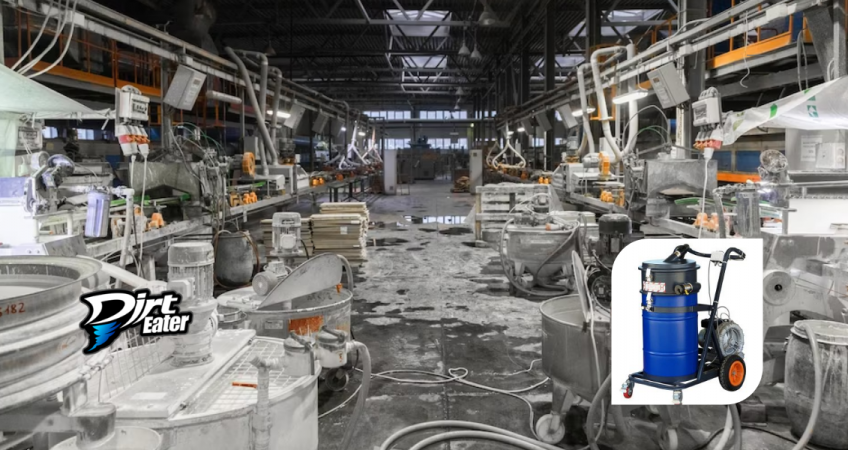
Introduction to the HEPA Vacuum Trend
In recent years, HEPA vacuum cleaners have steadily climbed the ladder of popularity, finding a prominent place in homes and businesses alike. So, what exactly has sparked this impressive rise of HEPA vacuums in the cleaning industry?
A Snapshot of the Growing Popularity
Increasingly, consumers are making more health-conscious decisions. We’re scrutinizing food labels, exercising regularly, and even analyzing the quality of the air we breathe. This increased focus on health and cleanliness has paved the way for the rise of High Efficiency Particulate Air (HEPA) vacuums. With their superior filtration efficiency, these devices have become a cleaning staple in various settings worldwide.
What Sparked the HEPA Vacuum Revolution
The revolution was borne out of a desire for improved indoor air quality. Traditional vacuums, while efficient in cleaning visible dust and debris, often fall short in trapping smaller airborne particles. The advent of HEPA technology presented an optimal solution, giving rise to the HEPA vacuum revolution.
Unpacking the HEPA Acronym
Before we delve into the depths of this revolution, it’s crucial to understand what HEPA stands for and the science behind it.
Understanding HEPA: Definition and Standards
HEPA is an acronym for High Efficiency Particulate Air. To qualify as HEPA by US government standards, a filter must remove 99.97% of airborne particles that are 0.3 micrometers in diameter, widely regarded as the most penetrating particle size (MPPS).
The Science Behind HEPA Filtration Technology
HEPA filters work by a combination of mechanisms: interception, impaction, and diffusion. These processes work together to trap both larger and microscopic particles that other vacuum filters might miss, making HEPA vacuums a preferred choice for those seeking a thorough clean.
Historical Evolution of Vacuum Cleaners
To fully appreciate the HEPA vacuum revolution, it’s beneficial to glance back at the history of vacuum cleaner designs.
The Pre-HEPA Era: A Glance Back at Early Vacuum Designs
The earliest vacuum cleaners, dating back to the early 20th century, were large, cumbersome devices. As technology evolved, so did vacuums, becoming more compact and efficient. However, these traditional vacuum cleaners were generally equipped with basic filters, which didn’t adequately trap smaller particles.
The emergence of HEPA: A Leap in Vacuum Technology
The invention of HEPA filtration during the Manhattan Project revolutionized vacuum technology. Initially used to prevent the spread of radioactive particles, the effectiveness of HEPA filters was soon recognized, paving the way for its use in vacuum cleaners. This marked a significant leap forward in the cleaning industry.
The Superiority of HEPA Vacuums
The key to the superiority of HEPA vacuums lies in their impressive filtration efficiency and the resulting health benefits.
Detailing the Filtration Efficiency of HEPA Vacuums
A typical vacuum cleaner only captures larger dust particles, allowing smaller ones to escape back into the room. In contrast, a HEPA vacuum traps 99.97% of particles down to 0.3 micrometers. This enhanced filtration leads to a substantial reduction in dust, pollen, and other allergens in your home or workspace.
Health Benefits: Breathing Easier with HEPA
By efficiently capturing minute particles, HEPA vacuums contribute to better indoor air quality. This is particularly beneficial for allergy sufferers and those with respiratory conditions, as it reduces exposure to potential triggers, promoting healthier and easier breathing.
Continue reading The Hottest Cleaning Trend: Why Everyone is Talking About HEPA Vacuums


Comments
Post a Comment